ผมอ่านเจอย่อหน้าหนึ่งในหนังสือ Master of Change ของ Brad Stulberg ซึ่งผมรู้สึกว่างดงามมาก จึงอยากนำมาแปลไว้ตรงนี้ครับ
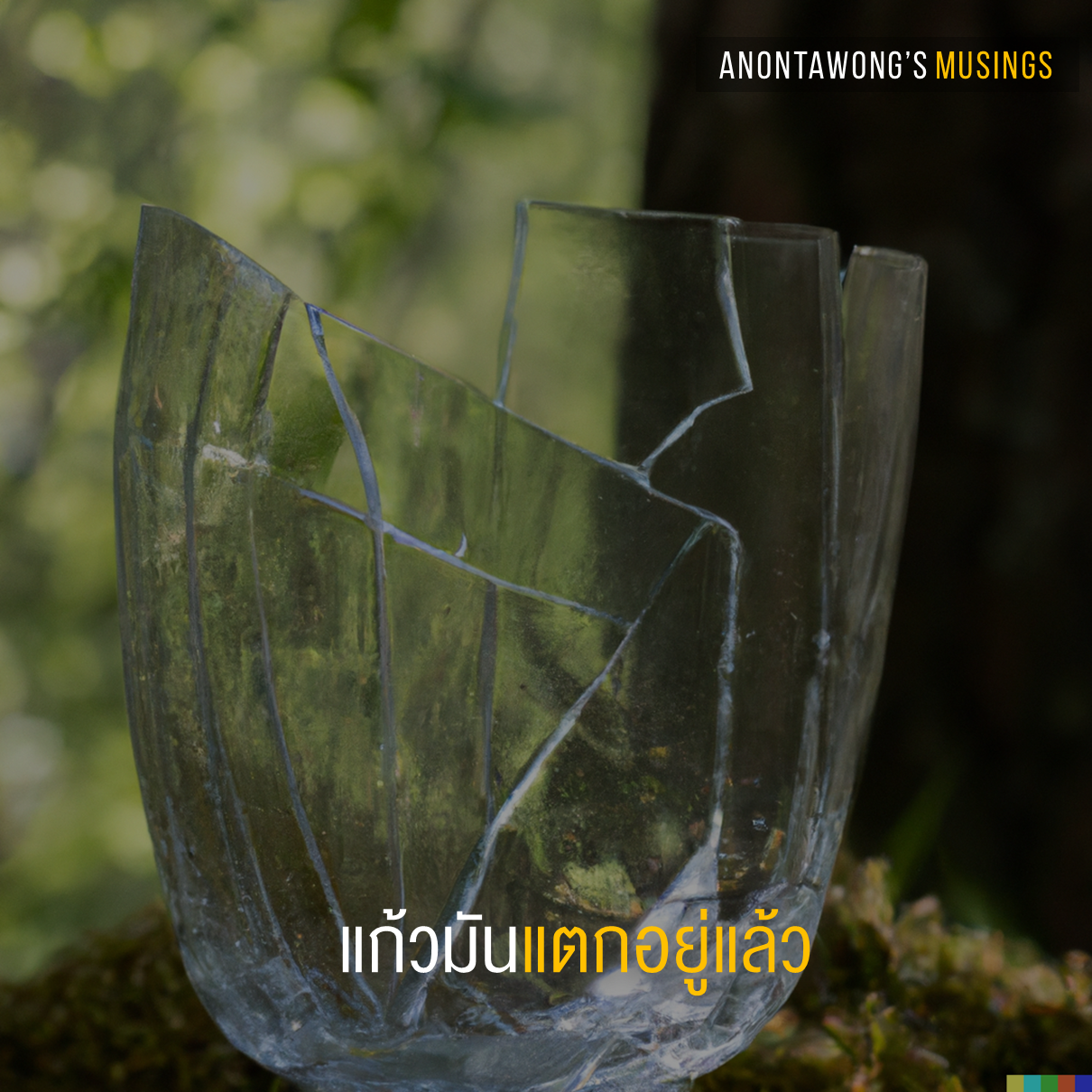
There is a story of a wise Thai Forest elder named Achaan Chaa who held up his favorite glass in front of his students and said, “You see this goblet? For me this glass is already broken. I enjoy it; I drink out of it. It holds my water admirably, sometimes even reflecting the sun in beautiful patterns. If I should tap it, it has a lovely ring to it.
But when I put this glass on the shelf and the wind knocks it over or my elbow brushes it off the table and it falls to the ground and shatters, I say, ‘Of course.’
When I understand that the glass is already broken, every moment with it is precious.”
การเข้าใจว่า the glass is already broken มันเตือนให้เราเห็นคุณค่าของสิ่งที่เรามี ไม่เห็นอะไรเป็นของตาย (to not take things for granted) และไม่เสียใจในวันที่เราจะต้องเสียแก้วไปซึ่งย่อมเกิดขึ้นอย่างแน่นอน
Morgan Housel ผู้เขียนหนังสือ The Psychology of Money บอกว่าเวลาที่เราบ่นว่าเรามี writer’s block นั้น จริงๆ เป็นเพราะว่า main idea ของเราไม่ได้เรื่องต่างหาก
เช้านี้ Facebook ขึ้นเตือน On this day เมื่อ 9 ปีที่แล้ว เป็นรูปที่ผมกับภรรยาไปฮันนีมูนด้วยกันที่นิวซีแลนด์ เราสวมชุดลายพรางเพื่อไปดูเพนกวินในถิ่นที่อยู่อาศัยของพวกมัน นึกย้อนกลับไปทีไรก็มีเรื่องให้คุยทุกครั้ง
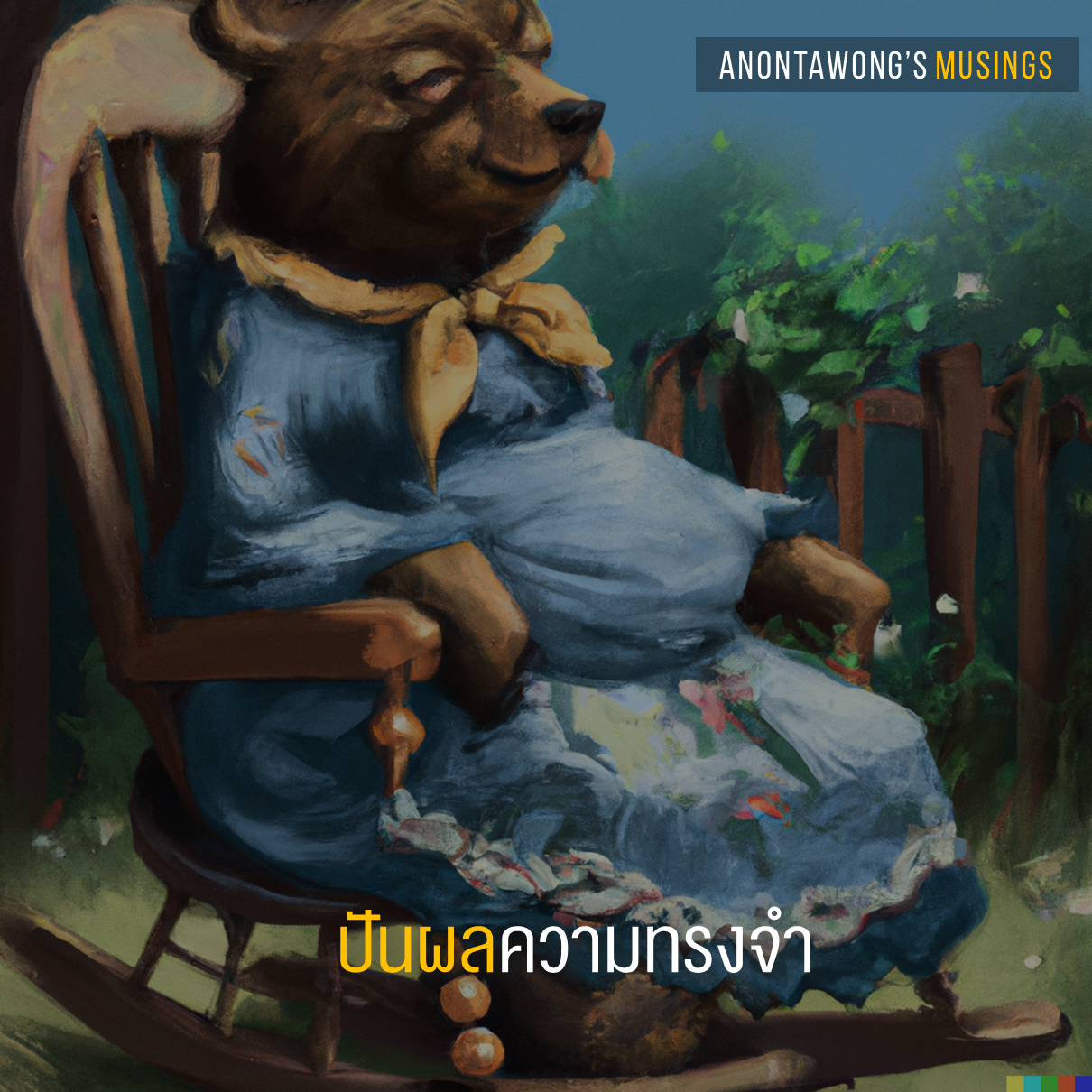
หนึ่งในคอนเซ็ปต์ที่น่าสนใจจากหนังสือ Die with Zero คือ memory dividends หรือ “ปันผลความทรงจำ”
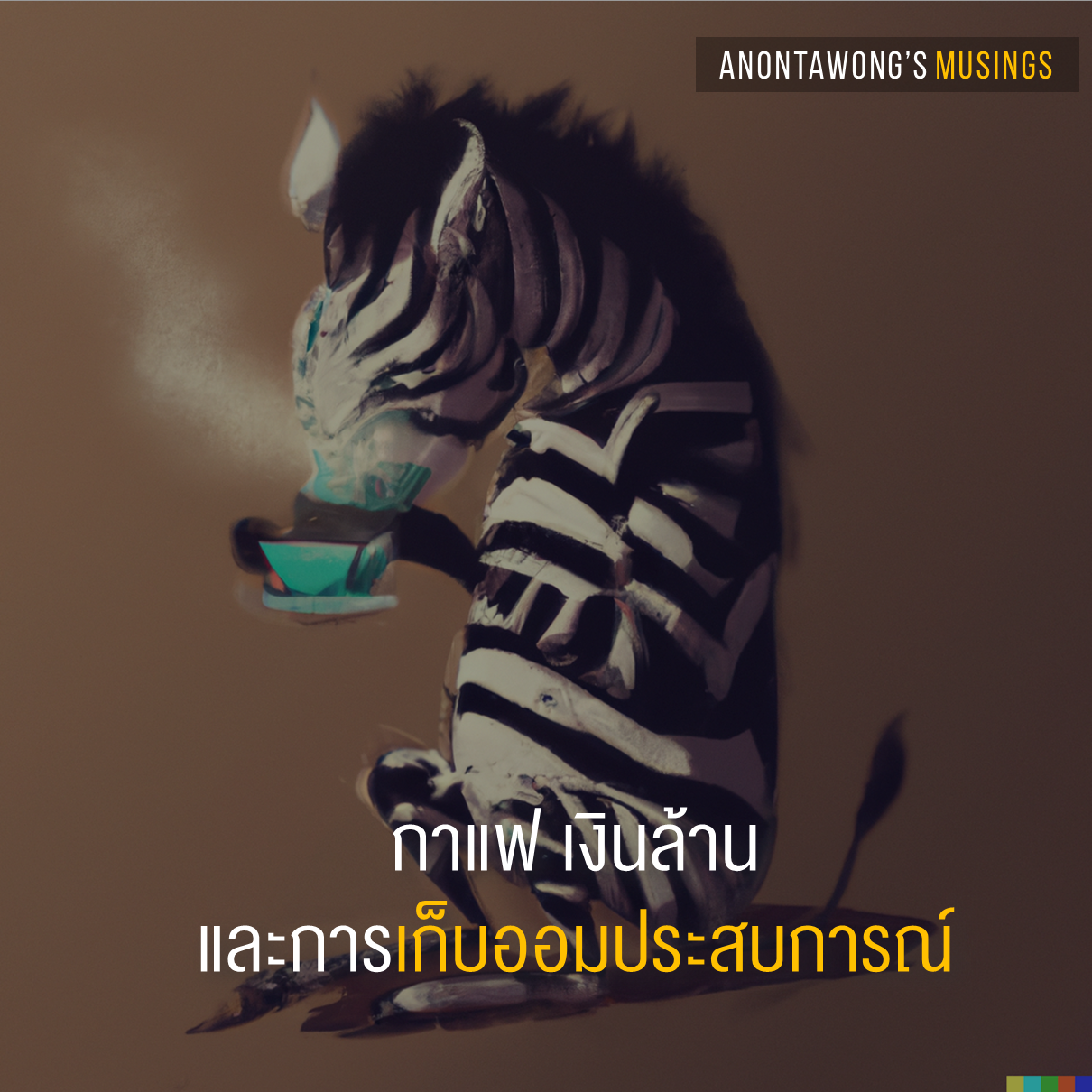
เผอิญวันนี้ได้ยินเรื่องราวที่คล้ายกันจาก audiobook ชื่อ Die With Zero ของ Bill Perkins ผมคิดว่าน่าสนใจเลยอยากนำมาเล่าสู่กันฟัง
หนังสือ Die With Zero ต้องการจะสื่อว่าเราไม่ควรเก็บเงินเพื่อการเกษียณมากจนเกินไป แต่ควรออกแบบการเงินและการใช้ชีวิตของเราเพื่อให้เราได้สะสมประสบการณ์และมีความทรงจำดีๆ ให้คิดถึงในวัยชรา
“The business of life is the acquisition of memories. In the end that’s all there is.” -Carson of Downton Abbey.
ผมชอบประเด็นนี้ตรงที่มันเตือนให้เราเห็น “ค่าเสียโอกาส” ชัดเจนขึ้น ไม่มีโอกาสไหนสูงค่ากว่าโอกาสไหน เพียงแต่ขอให้เราคำนึงถึงมันให้ครบด้าน จะได้ไม่ใช้ชีวิตแบบ auto pilot จนพลาดประสบการณ์ที่มีคุณค่าสำหรับเราครับ

 Anontawong's Musings